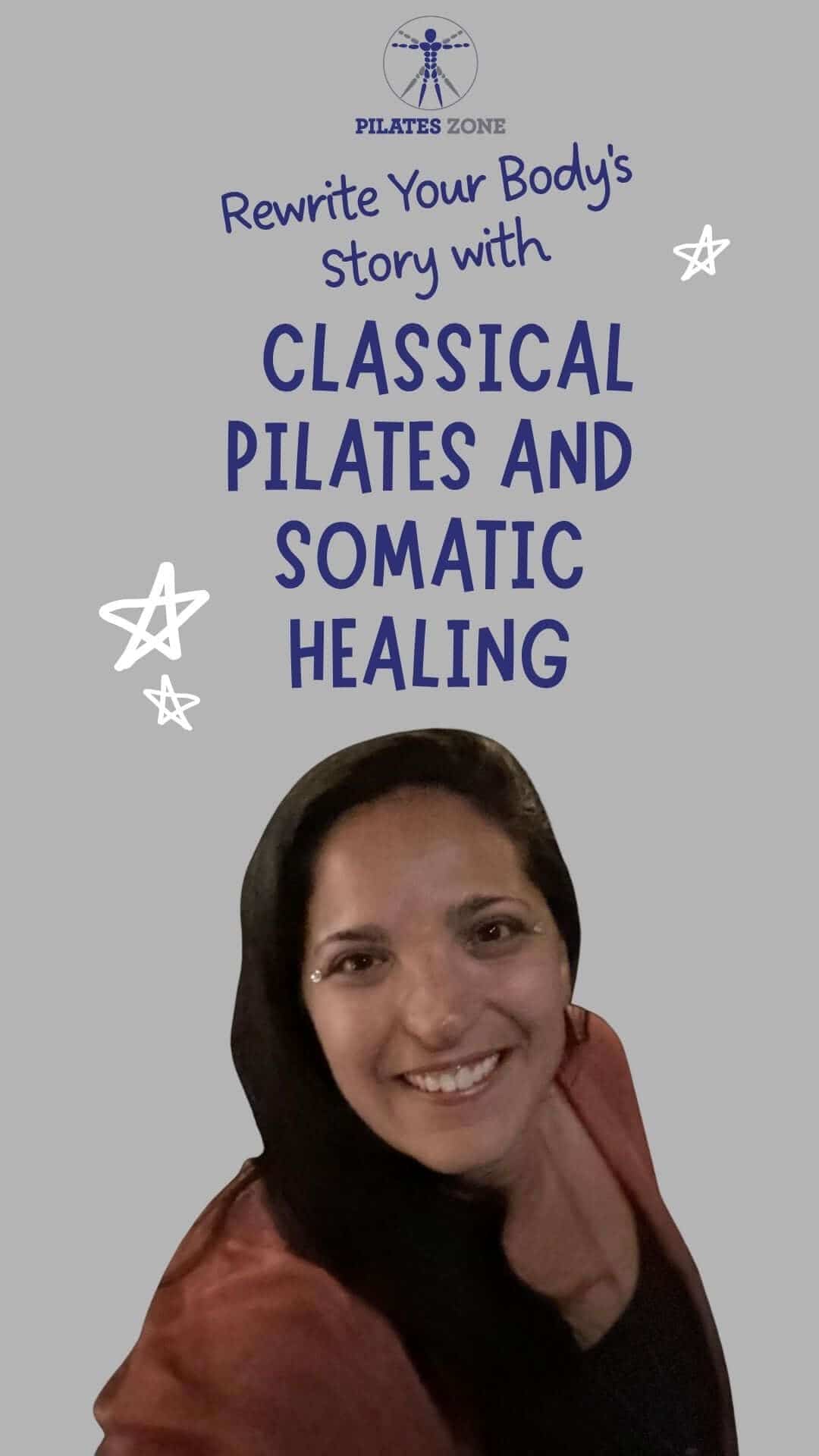

Imagine if your body could let go of old stories and make room for new ones. A story of safety, love, and inner harmony. In this article, I want to share how classical Pilates, combined with somatic healing, can help you not just in your body but in the deepest parts of who you are.
This is not about getting stronger or moving better, although both of those things will happen. This is about something far deeper. It is about the stories our bodies carry. In our muscles, our tissues, our breath. Stories we have been holding, sometimes for years, without even knowing it. And it is about learning, gently and compassionately, to let them go.
What Is Somatic Healing and Why Does It Matter?
The word somatic comes from the Greek word soma, meaning body. Somatic healing is a body-centered approach to wellness that recognizes the deep connection between our physical body and our emotional and mental experiences. When we go through stress, trauma, or difficult experiences, our bodies don't simply move on. They store those experiences in our nervous system, our muscles, and our connective tissue.
Somatic practices bring awareness to exactly that. They help us feel what has been stored, acknowledge it gently, and begin to release it. Rather than talking about what happened, somatic work invites us to feel where it lives in the body and breathe through it with kindness and presence. This creates space for something genuinely new to emerge.
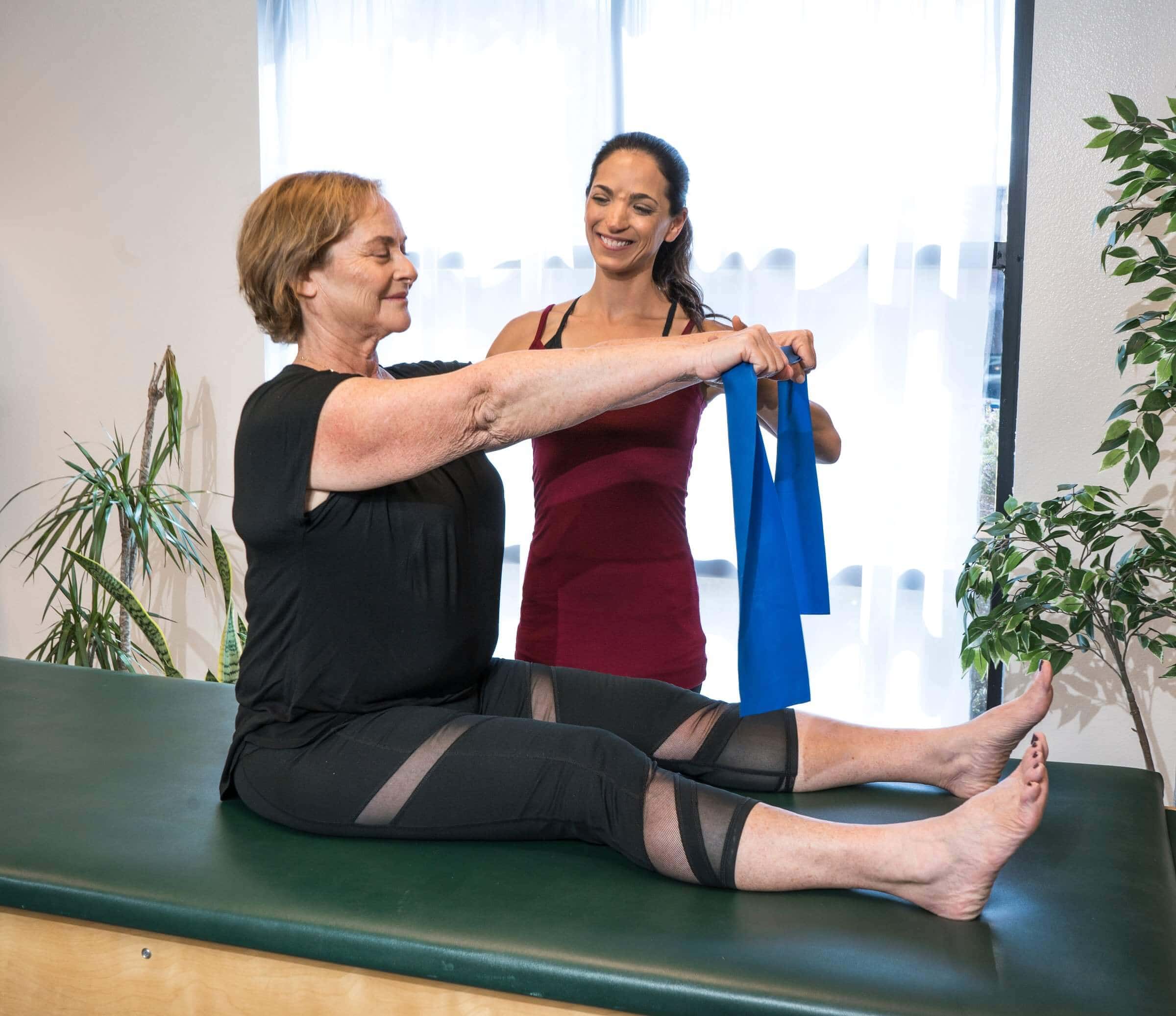
Why Classical Pilates Is the Perfect Somatic Practice
Classical Pilates fits beautifully into somatic healing work because it is inherently mindful. The method asks you to slow down, to feel, to connect every movement with intention and breath. Unlike high-intensity workouts that push the body to perform, classical Pilates invites the body to listen.
When Joseph Pilates developed his method, he called it Contrology — the complete coordination of body, mind, and spirit. He understood long before modern science confirmed it that the body and mind are not separate. Every exercise in the classical repertoire is designed to bring you into presence, into connection, into awareness. That is exactly the foundation that somatic healing requires.
When we bring somatic awareness into a classical Pilates practice, something profound happens. We stop performing and start listening. We stop pushing and start feeling. The mat becomes not just a place to exercise but a place to heal.
What Happens in Your Nervous System
With every mindful stretch, every conscious breath, every moment of stillness on the mat, we are sending a new message to our nervous system. We are telling it, gently and repeatedly, that we are safe. That we are enough. That we are loved.
This matters more than most people realize. When the nervous system feels chronically unsafe — due to past stress, unprocessed emotions, or years of disconnection from the body — it holds tension. It guards. It braces. Many people experience this as chronic tightness, pain, fatigue, or simply a feeling of being stuck in their body.
Somatic Pilates work helps regulate the nervous system over time. Through consistent, mindful movement, we teach the body a new response. We create new patterns. We build what researchers call nervous system flexibility — the ability to move through stress and return to a state of calm and ease.
The Stories Our Bodies Tell
Our bodies are not just physical structures. They are living records of everything we have experienced. The tension in your shoulders might be carrying years of responsibility. The tightness in your hips might be holding emotions that were never fully expressed. The shallow breathing you didn't even notice might be a nervous system still protecting you from something that happened long ago.
Classical Pilates combined with somatic awareness gives you the tools to read those stories with compassion, and to begin writing new ones. Not by forcing change, but by creating the conditions for healing to happen naturally.
You Are Not Stuck in Your Old Story
This is the practice I want to share with you — not just as a teacher, but as someone who has experienced this transformation personally. I have felt what it means to move through old patterns and emerge on the other side feeling lighter, freer, and more at home in my own body.
Movement that heals not just the body but the story the body tells is possible for you. Whether you are just beginning your Pilates journey or have been practicing for years, somatic awareness can deepen your experience in ways you may not have imagined.
5 Ways Classical Pilates Supports Somatic Healing:
- Slows down movement so the body can feel rather than perform
- Uses conscious breath to regulate the nervous system
- Builds body awareness through precise, intentional exercises
- Creates a safe, consistent routine the nervous system can trust
- Connects movement with emotion through mindful presence
Your body is not broken. It is not your enemy. It has simply been carrying more than it should have to carry alone.
You are not stuck in your old story. Your body is waiting — with patience and love — to write a new one.
With many blessings, Yoni.
FAQs
What is somatic healing in Pilates?
Somatic healing in Pilates is the practice of bringing conscious awareness to how emotions and stress are stored in the body. Combined with classical Pilates movement, it helps release tension held in the muscles and nervous system, creating space for both physical and emotional healing.
Can classical Pilates help with trauma and stress?
es. Classical Pilates is inherently mindful and breath-centered, making it a powerful tool for nervous system regulation. When practiced with somatic awareness, it can help the body process and release stored stress and trauma gently over time.
How is classical Pilates different from regular Pilates?
Classical Pilates follows the original method developed by Joseph Pilates, emphasizing the precise sequence of exercises, breath, and the connection between body, mind, and spirit. It is more structured and intentional than contemporary Pilates, making it ideal for deep somatic and healing work.