
This post is for general information and isn't a substitute for medical advice. If you have a condition affecting your balance or mobility, talk to your doctor before starting a new exercise program.
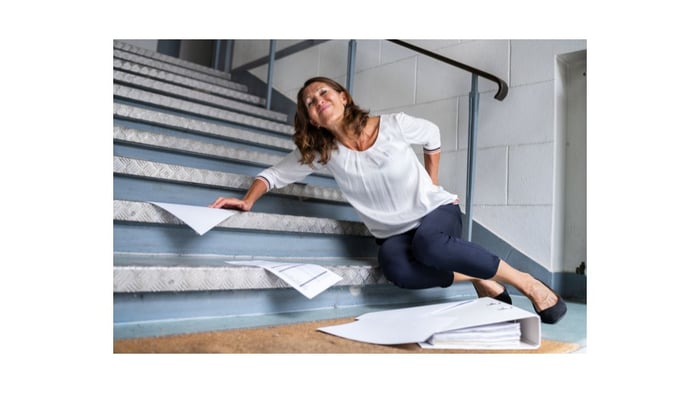
If you’re looking into pilates for balance, you’ve probably seen the stats: about one in three adults over 65 falls each year, and the consequences can range from minor injury to serious, life-altering harm. If you've been searching for ways to improve your balance and reduce your fall risk, the research on Pilates is some of the most encouraging we've come across.
What the Research Actually Shows
A 2015 systematic review pooled results from six separate clinical trials studying Pilates and balance in older adults. The finding was striking: Pilates produced a large, statistically significant improvement in balance compared to doing nothing at all. One of the studies included in that review also found a real reduction in the number of actual falls participants experienced, not just an improvement on a balance test.
A separate study out of California State University, Northridge, found something especially encouraging for anyone worried about time commitment: just one hour-long Pilates reformer class per week, for 10 weeks, led to significant improvements in both static balance (how steady you are standing still) and dynamic balance (how steady you are while moving) — in participants with an average age of 77. The study also found improved balance confidence and functional mobility, alongside a measurable reduction in fall risk.
A more recent 2022 study found that even just six weeks of Pilates improved balance, gait, and mobility in healthy older adults — all direct contributors to fall risk.
One honest note: most of this research measures improvement in balance itself, which is very well-established at this point. There's less direct data specifically counting real-world falls prevented, simply because that's a harder thing to measure over a short study. But since poor balance is one of the most well-documented risk factors for falling, improving it is a meaningful, evidence-backed step either way.
Why Pilates Specifically Helps Balance
Pilates trains balance differently than most exercise. Rather than just building raw strength, it emphasizes control — slow, deliberate movement that requires you to stabilize your body against gravity, shifting weight with precision rather than momentum. This is exactly the kind of training that challenges and improves the body's balance systems, which is likely why the research shows such a consistent effect.
How Pilates Zone Approaches This
Yoni works with students specifically on balance-focused movement, adjusting classes to meet you at your current level — whether you're managing an existing balance concern or simply want to stay steady and confident as you age. Because live classes let Yoni see your movement in real time, she can catch instability early and guide you through it safely, rather than you working through a generic recorded routine alone.
Getting Started Safely
If pilates for balance and fall prevention is your main goal.
- Mention it to Yoni so your classes can be shaped around balance-specific movement
- Start live, not with unsupervised recorded video, especially if you already have balance concerns
- Be consistent — even one class a week showed real results in the research above
- Talk to your doctor first if you have any existing condition affecting your balance or mobility
A Note From Yoni
Balance work is one of my favorite things to teach, because the results are so tangible. Students feel steadier, more confident on stairs, more secure getting up from a chair — these are small moments that matter enormously in daily life. It's not about dramatic transformation; it's about building real, lasting stability in your own body.
Getting Started
If balance and fall prevention are on your mind, start with a conversation and a class.
Try a live session with our 7-day free trial, and let Yoni help you build real, lasting stability.
FAQs
How much Pilates do I need to see a balance improvement?
Research shows real improvements with as little as one class a week over 10 weeks, and even six weeks of consistent practice has shown measurable results.
Is this safe if I already have a balance condition?
Generally, yes, with proper guidance. Live classes let your teacher adjust movements specifically to your needs, which matters especially if you’re already managing a balance issue.
Does Pilates actually reduce real falls, or just improve balance test scores?
The evidence for balance improvement itself is very strong. Evidence for reduced real-world falls is more limited, simply because it’s harder to measure, but since poor balance is a major fall risk factor, improving it is a meaningful step.
Is there a free trial to try this out?
Yes — we offer a 7-day free trial with full access to live Zoom classes and our recorded library.